Urgent National & International Response to Lassa Fever in Nigeris
The African Pest Control Association (APCA) is hereby making a solemn call to the Government of the Federal Republic of Nigeria, international partners, regional bodies, and global health organizations to take decisive and immediate action to confront the persistent scourge of Lassa fever, which continues to claim lives annually across Nigeria.
Date: February 12, 2026
The African Pest Control Association (APCA) is hereby making a solemn call to the Government of the Federal Republic of Nigeria, international partners, regional bodies, and global health organizations to take decisive and immediate action to confront the persistent scourge of Lassa fever, which continues to claim lives annually across Nigeria.
HISTORICAL BACKGROUND
Lassa fever is a viral haemorrhagic fever first identified in 1969 in the town of Lassa, Borno State, Nigeria, when two missionary nurses died from the then-unknown disease. The virus was subsequently isolated and named after the location of discovery.
Since then, Lassa fever has become endemic in Nigeria and parts of West Africa, with cases reported year after year, especially during the dry season. (ncdc.gov.ng)
DISEASE BURDEN AND TRENDS (RECENT YEARS)
Accurate national death totals from 1969–2025 are not consistently published, but official surveillance data show persistent mortality and rising outbreaks in recent years:
- 2021: 510 confirmed cases reported.
- 2022: 1,067 confirmed cases with 164 deaths.
- 2023: 1,170 confirmed cases with 200 deaths, the highest documented toll in recent annual data.
- 2024: Over 1,000 confirmed cases and approximately 190+ deaths reported in many states.
- 2025: Nigeria recorded hundreds of confirmed cases and 98 deaths by March, with additional outbreaks continuing throughout the year.
- 2026 (to date): Continued cases with confirmed fatalities, reflecting an unbroken pattern of annual mortality from Lassa fever.
These figures reflect only documented reports; under-reporting remains a significant challenge, especially in rural and underserved regions.
RODENT RESERVOIR AND ENVIRONMENTAL DRIVERS
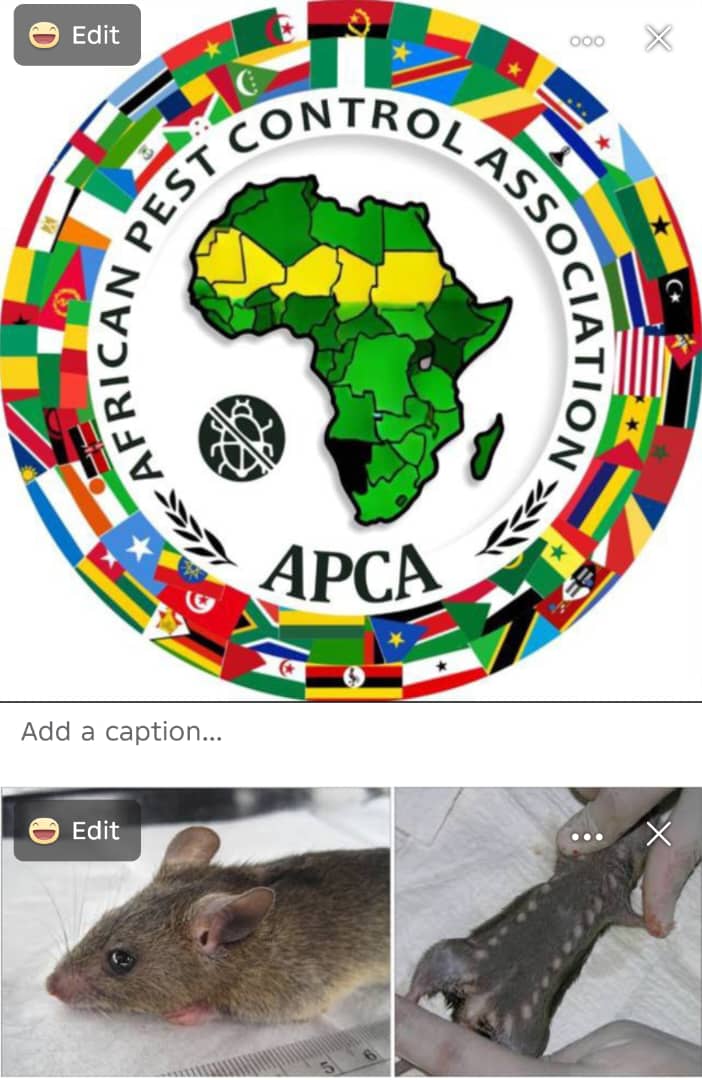
Lassa virus is maintained in nature by rodents, especially the multimammate rat (Mastomys natalensis), a species widely distributed across West Africa.
These rats are household pests that thrive in environments with poor waste management, food storage issues, and inadequate sanitation. Humans become infected through:
- Contact with rodent urine, faeces, or saliva
- Handling contaminated food or household items
- Exposure of broken skin or mucous membranes to virus-contaminated material
- Occasionally, through person-to-person contact (especially in healthcare settings)
APCA notes with concern that persistent poor environmental sanitation, inadequate waste disposal, and insufficient rodent control programs across Nigerian communities have contributed substantially to the frequency and severity of outbreaks.
HEALTHCARE WORKER AND MATERNAL FATALITIES
Lassa fever is especially dangerous in pregnancy, with high maternal and fetal mortality, and healthcare workers are also at risk.
One tragic case involved a doctor who contracted Lassa fever after operating on a pregnant woman, ultimately leading to her death. This incident underscores the urgent need for improved infection prevention and control in healthcare environments. While specific details vary across reports and states, such healthcare-associated transmissions have been documented in Nigeria’s history of outbreaks.
ALARMING RECENT CASES
Across Nigericaa in recent years, reports from multiple states, including Ondo, Edo, Bauchi, and Ebonyi, have shown persistently high case counts and deaths annually, affecting both rural families and frontline health workers.
CALL TO GOVERNMENT OF NIGERIA
APCA calls on the Government of Nigeria to:
- Strengthen environmental sanitation and rodent control as core components of Lassa fever prevention.
- Expand nationwide waste management infrastructure and community hygiene education.
- Enhance early detection, laboratory capacity, and nationwide surveillance to ensure timely case reporting.
- rovide adequate protection for healthcare workers, including training, personal protective equipment (PPE), and infection control systems.
- Invest in research for vaccines and effective therapies.
REGIONAL AND INTERNATIONAL SOLIDARITY REQUIRED
We call upon the African Union, the World Health Organization (WHO), the Africa Centres for Disease Control and Prevention (Africa CDC), and all relevant international partners to:
- Support Nigeria’s national response with coordinated funding, technical expertise, and cross-border disease surveillance.
- Prioritize Lassa fever as a major regional health threat alongside other viral haemorrhagic fevers.
- Engage in One Health partnerships that integrate human, animal, and environmental health strategies.
DESIGNATION OF WORLD LASSA FEVER DAY
APCA urges the World Health Organization (WHO) to establish January 12 of every year as WORLD LASSA FEVER DAY, marking the period of the disease’s first identification in Nigeria in January 1969.
This annual observance would:
- Raise global awareness of the disease
- Mobilize resources for prevention and research
- Honour those who have lost their lives
- Support advocacy for affected communities worldwide
Conclusion
Lassa fever has been a continuous public health burden in Nigeria for more than five decades. Only sustained, multisectoral action, led by government commitment, grassroots environmental improvements, and international collaboration, can halt the needless loss of lives.
We call on all stakeholders to act now — before many more lives are lost to this preventable and treatable disease.
Signed,
Innocent Onjeh
President, African Pest Control Association (APCA)
Francis Nwapa
Acting General Secretary, African Pest Control Association (APCA)